

Microbial Matters
Beatriz Colomina and Mark Wigley
Join us for a lecture and roundtable discussion to explore alternative design histories viewed through the lens of microbial life — asking why microbes matter for contemporary regenerative and multispecies design cultures.
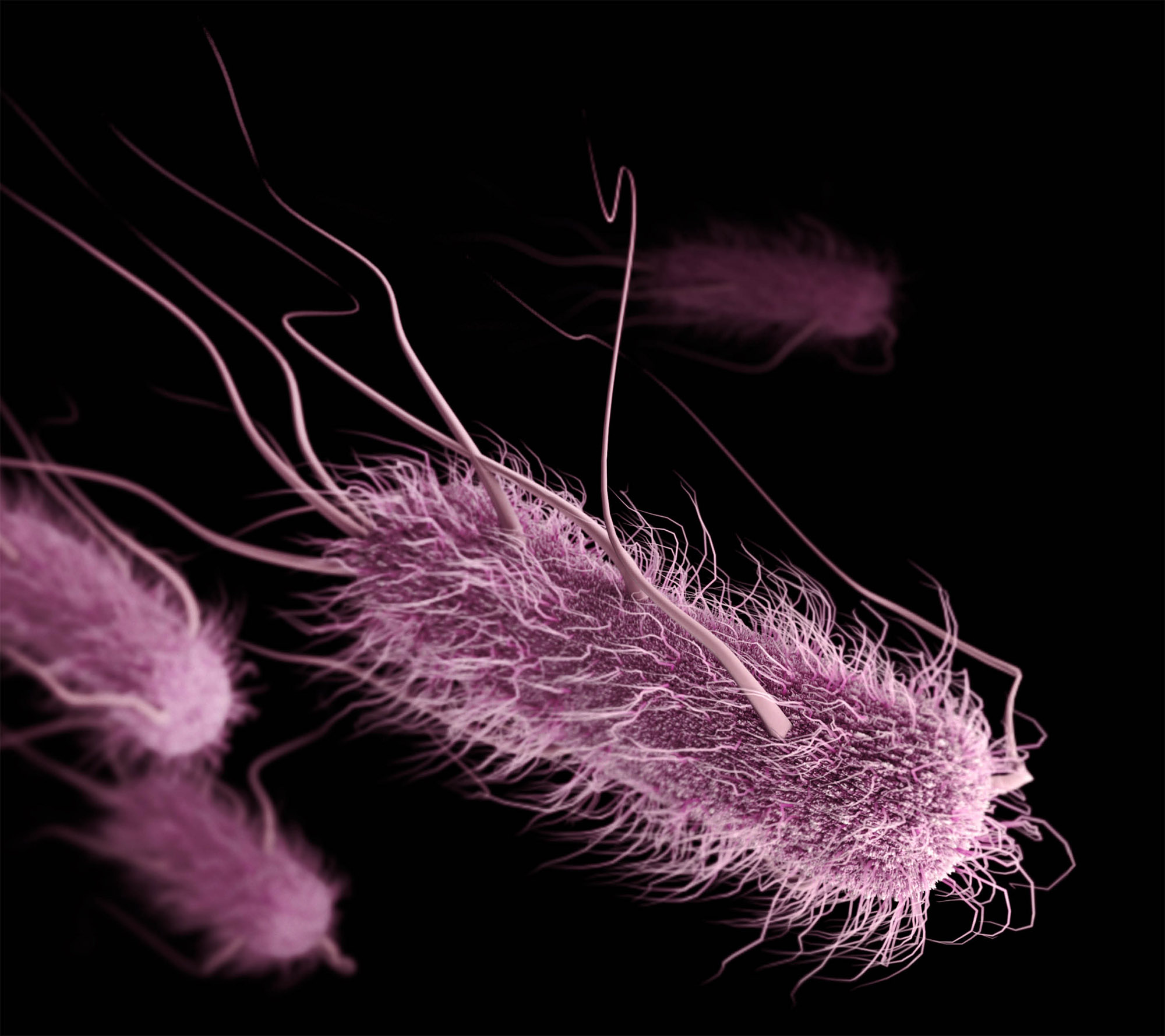
We warmly invite you to »Microbial Matters« — an interdisciplinary exchange focusing on shifting perceptions of microbial activity in the built environment, design, and material culture. By challenging the modernist impulse to control and exclude microbial life, we open up a dialogue about the active role of bacteria in past and future design practices.
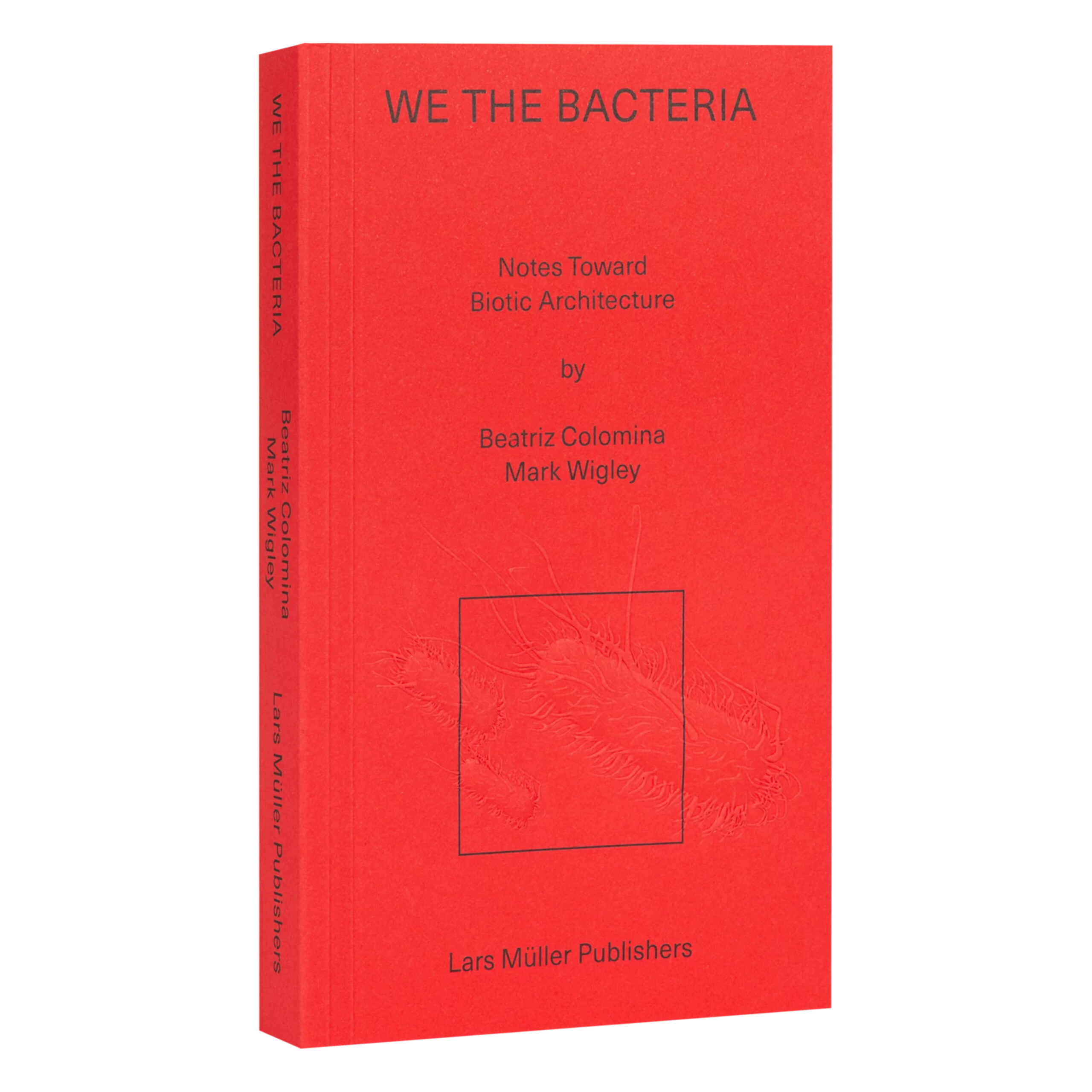
»Microbial Matters« welcomes a lecture by renowned architectural historians and theorists Beatriz Colomina and Mark Wigley to present their latest book, We the Bacteria, followed by a roundtable discussion with microbiologist Regine Hengge, architects Iva Rešetar and Bastian Beyer, and design and cultural historian, as well as co-director of the Cluster of Excellence »Matters of Activity. Image Space Material«, Claudia Mareis.
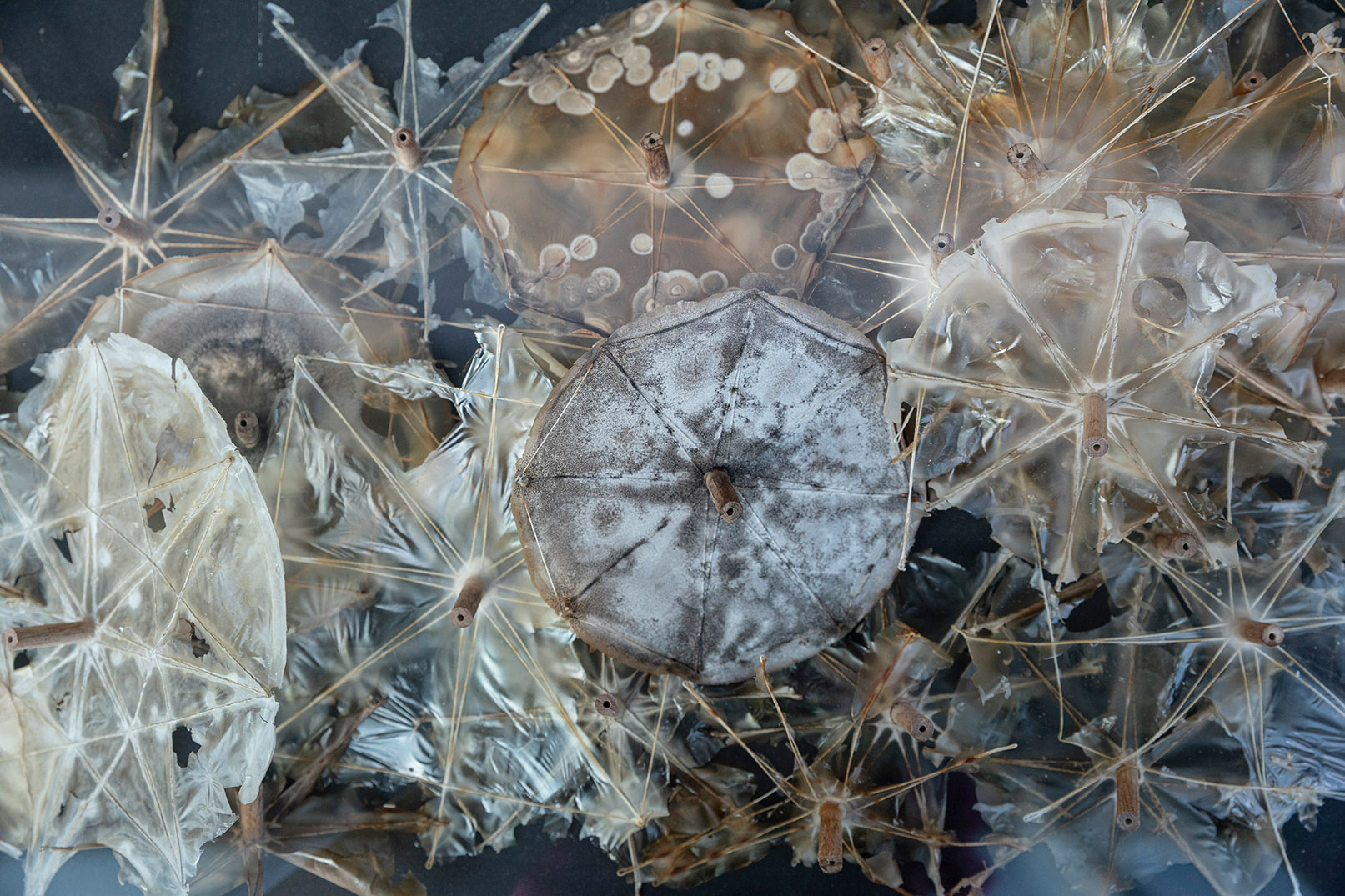
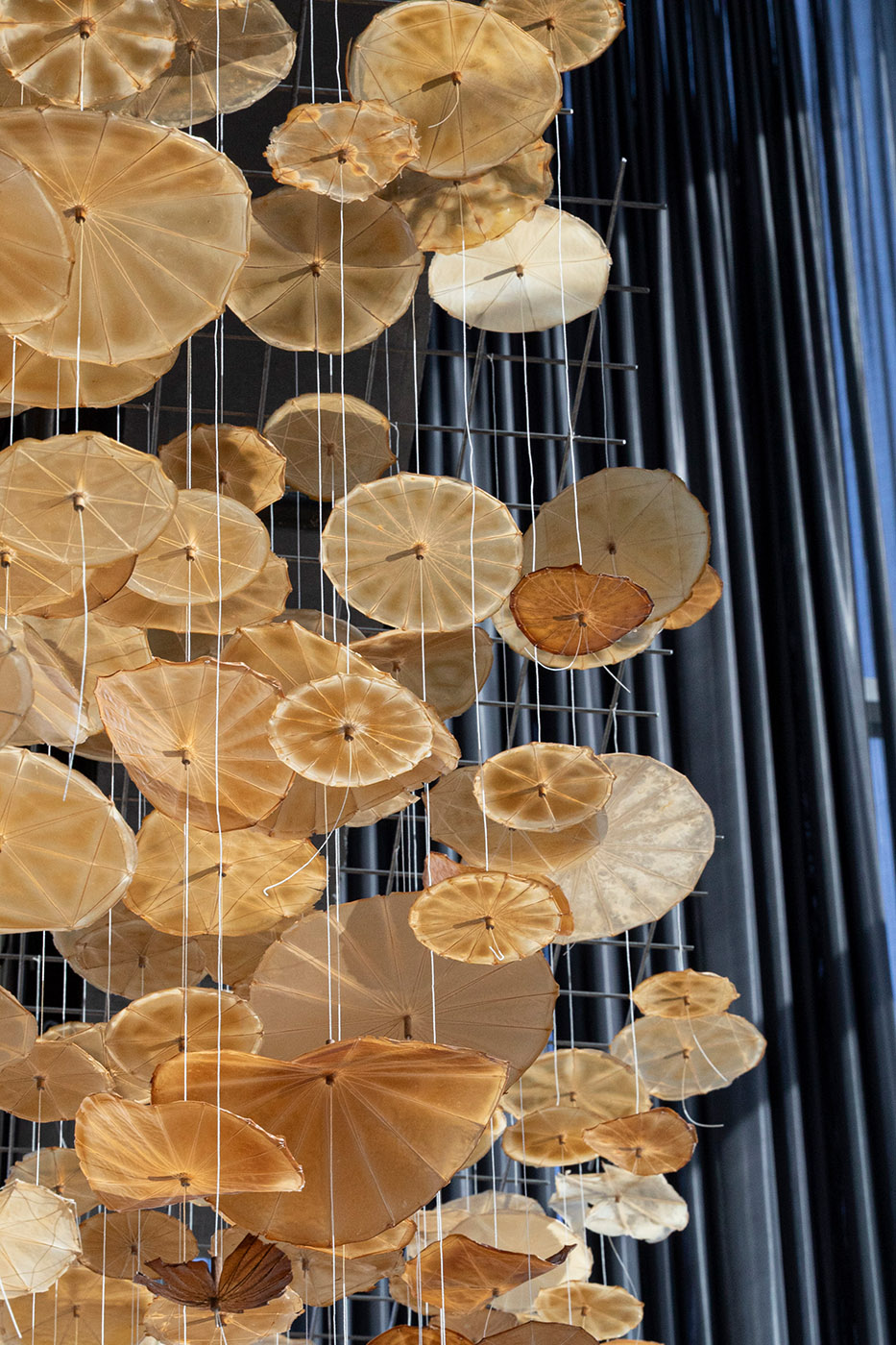
In their research on biotic architecture, Colomina and Wigley explore the intimate entanglements between microbes, bodies and buildings, outlining an urgent manifesto for an alternative architectural philosophy — one that acknowledges multispecies co-existence. In the context of the experimental practices at the Cluster of Excellence »Matters of Activity. Image Space Material« (MoA) at Humboldt-Universität zu Berlin, the project »Co-Weaving Biofilms« reimagines human and bacterial weaving through the activity of microorganisms, combining architecture and design with microbiology and materials science. The installation »Co-Weaving Biofilms«, grown from bacterial cellulose, will be on view as part of the program, situating the MoA research within the exhibition space of TA T.
Credits
- Project lead MoA: Iva Rešetar, Bastian Beyer, and Claudia Mareis
- Curation TA T: Felix Sattler
- PR MoA: Carolin Ott
- Project »Co-Weaving Biofilms«: Bastian Beyer, Iva Rešetar and Regine Hengge, with assistance by Moritz Liedtke
Cooperation / Funded by:
The event takes place in cooperation with the Zentrum für Kulturtechnik, within the framework of the strategic partnership between Humboldt-Universität zu Berlin and Princeton University, supported by the Flexible Funds of Humboldt-Universität zu Berlin.

Easy Read
Why are microbes important?
Microbes are tiny living things.
They include bacteria.
We cannot see them, but they are everywhere.
This event asks:
Why do microbes matter for design, buildings, and the future?
For a long time, people tried to keep microbes out of buildings.
This event looks at a different idea:
Microbes can also help shape materials, spaces, and ways of living together.
Architectural researchers Beatriz Colomina and Mark Wigley present their new book We the Bacteria.
After the lecture, there will be a discussion with researchers from architecture, microbiology, and design.
The event is connected to the research project Co-Weaving Biofilms at Humboldt-Universität zu Berlin.
Visitors can also see an installation made from bacterial cellulose.
This material is grown with bacteria.
Together, the event explores how humans, microbes, and materials may live and work together.
Duration: about 90 minutes.
Language: English