The Listening Theater
Audioguide & Audiowalks across Campus Nord
Learning to listen to others is not enough in itself. The task is also to learn to listen to ourselves — bell hooks, Talking Back, 1986
How does a university become part of the life of a place?
The Listening Theater is a transdisciplinary research and public engagement project by the Tieranatomisches Theater and the Zentrum für Kulturtechnik.
Through an Audioguide, Audiowalks, and a public programme, the project explores the histories, memories, and knowledge cultures of the Tieranatomisches Theater and Campus Nord of Humboldt-Universität zu Berlin; from 1790 to today.
Together with students, researchers, artists, neighbouring institutions, historians, former employees, and local communities, we are building a growing oral archive and sound library that will become freely accessible in 2027.
In this project, we approach listening as a collective and situated practice. Walking, remembering, recording, observing, and sharing experiences become ways of exploring how knowledge, memory, and place continue to resonate across Campus Nord. For us, listening begins by questioning what we think we already know about this site. What can the campus tell us if we attend to its many biographical layers—human and more-than-human? Can this place become our knowledge partner?
Add Your Voice
Help us build the Oral Archive of Campus Nord.
Whether your connection to Campus Nord relates to science, teaching, care, ecology, everyday life, political change, architecture, or personal memory, we would be glad to hear from you. We are interested in memories, observations, experiences, questions, photographs, documents, and forms of living knowledge connected to Campus Nord and its transformations.
Until October, you can share a memory online, in person (Tieranatomisches Theater, Room 102), continue the memory chain (send a postcard from Campus Nord to reconnect with someone who remembers this place too), or join one of our public memory recording sessions (Highlight: European Heritage Days, 12-13.09.2026).
Share A Memory
| in Person
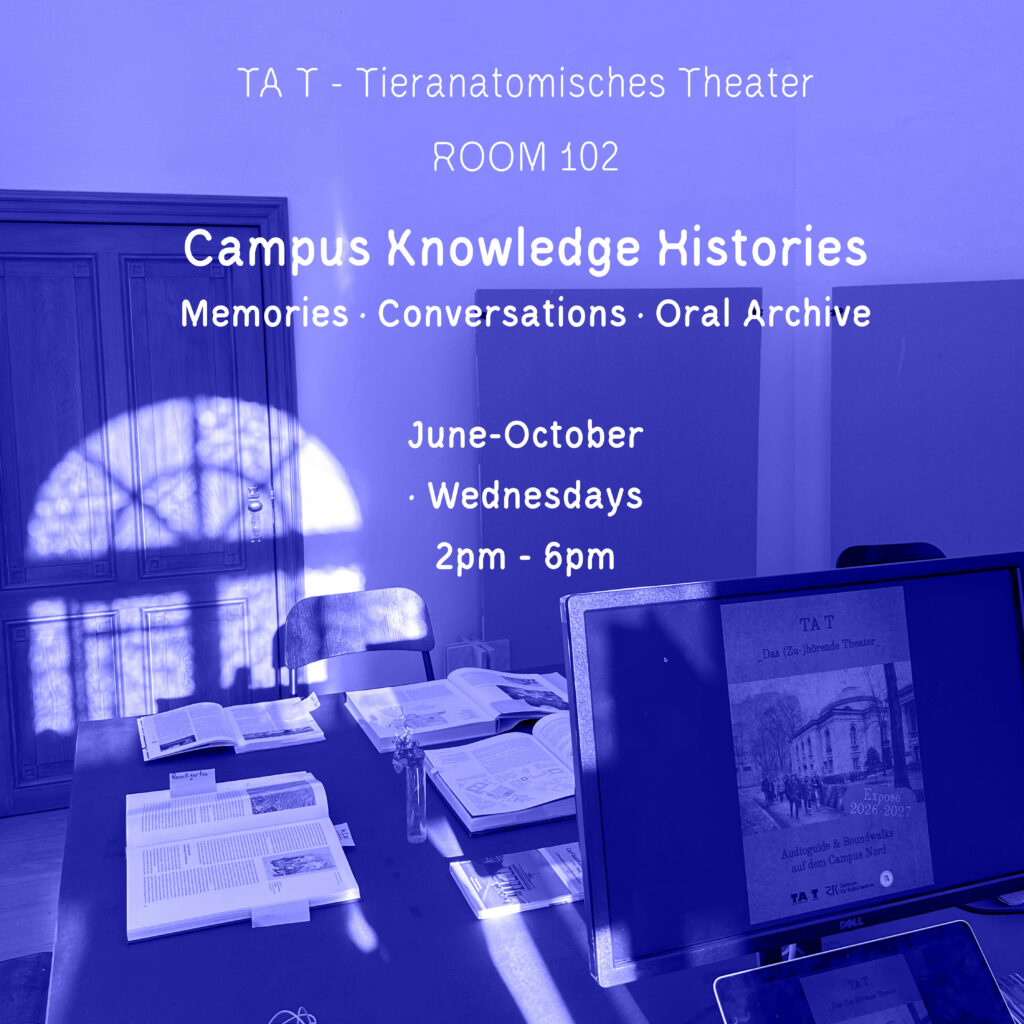
Tieranatomisches Theater, Campus Nord, Haus 3, Room 102
We have set up a room (102) where we record interviews with persons who like to share a piece of knowledge, or a personal memory connected to Campus Nord and its transformations. Bring photographs, documents, objects, recordings, or simply a memory you would like to share.
You can also come together with a friend, colleague, neighbour, family member, or former classmate. Sometimes memories emerge differently when they are remembered together.
Project curator Paz Ponce is available every Wednesday from 14:00–18:00 for conversations, memory sharing, informal visits, and pre-arranged interviews. Outside Wednesdays, additional appointments can be arranged via email.Room 102 is open during the regular opening hours of the Tieranatomisches Theater (Tuesdays to Saturdays, 2pm-6pm).
You can browse project materials, and contribute to the growing oral archive. In this room we also have memory submission forms, postcards from Campus Nord and stamps.
Share a memory
| online
How Did This Place Become Part of Your Life?
Campus Nord has for long been a place for learning. Now we would like to learn from you! We invite you to spend some time with your memories of this place. Our memory guide offers different prompts for remembering.
Send Postcards from Campus Nord
| Continue the memory chain
Tieranatomisches Theater, Campus Nord, Haus 3, Reception & Room 102
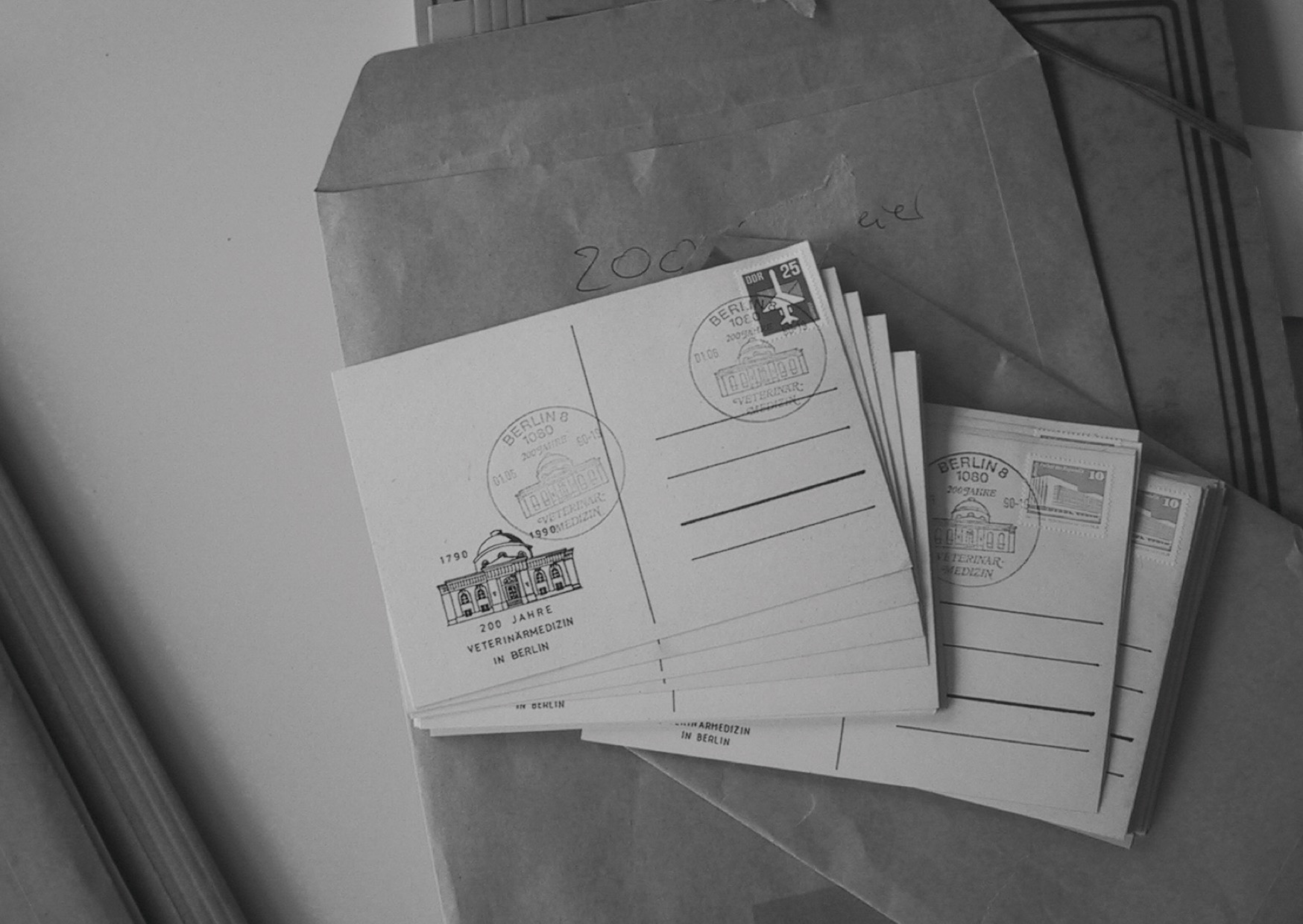
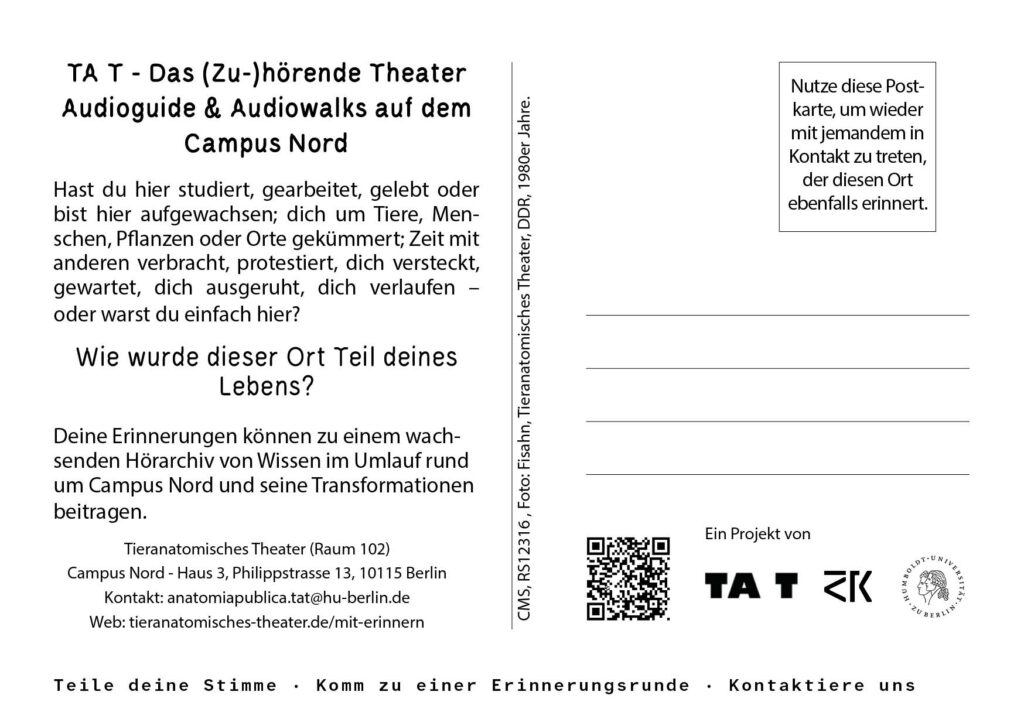
Join our campus community postcard action! Postcards and stamps are available at the reception of the Tieranatomisches Theater and in Raum 102. Take one with you, send it to someone who remembers this place too, or use it as an invitation to start a conversation. In this way, the postcard can travel from one person to another, helping to continue a chain of memories across generations, communities, and different experiences of Campus Nord.
Image credits:
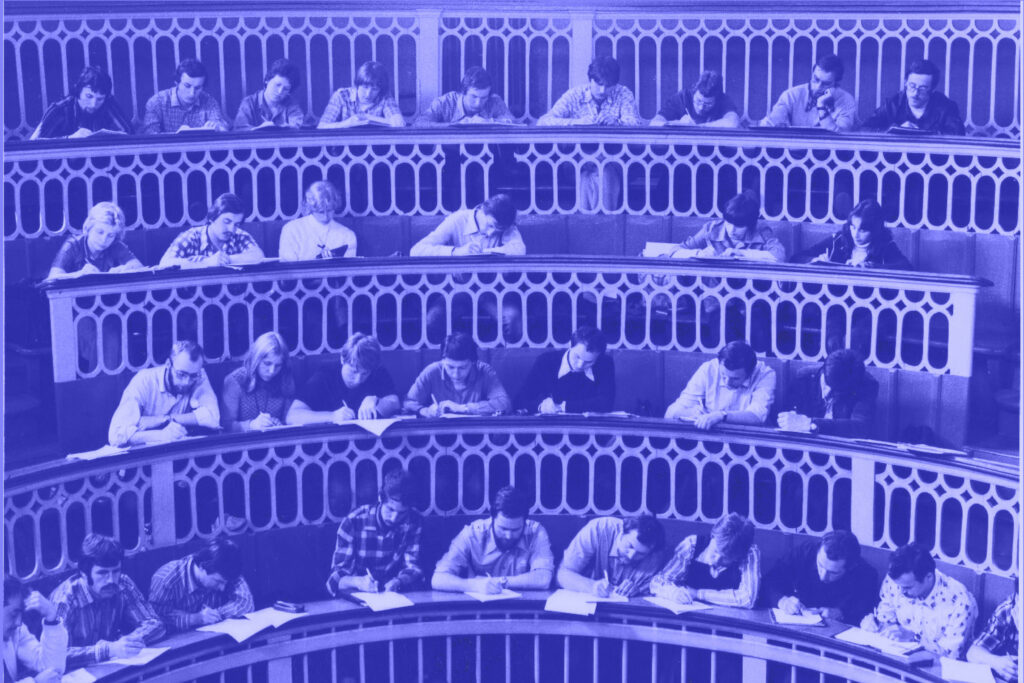
1. FU Archiv / Postcards featuring 6 different stamps (GDR) and a special postmark (1990)
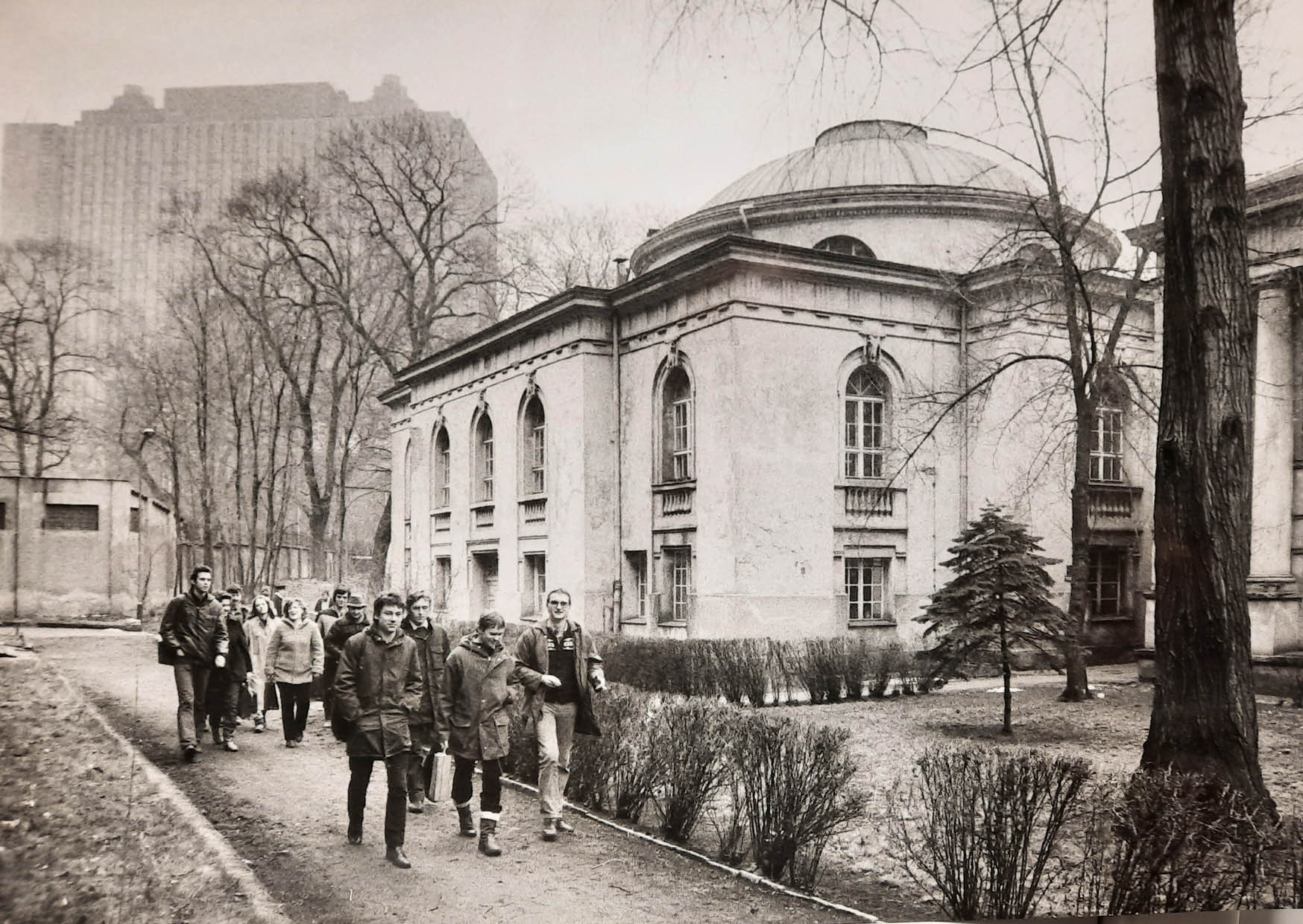
2. HU Archiv – CMS / Joachim Fisahn, Animal Anatomy Theater (GDR, 1980s)
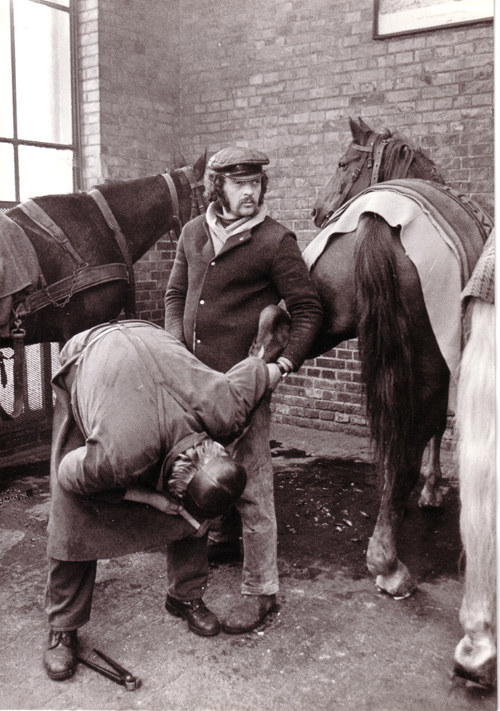
3. HU Archiv / Unknown, Blacksmith’s Workshop
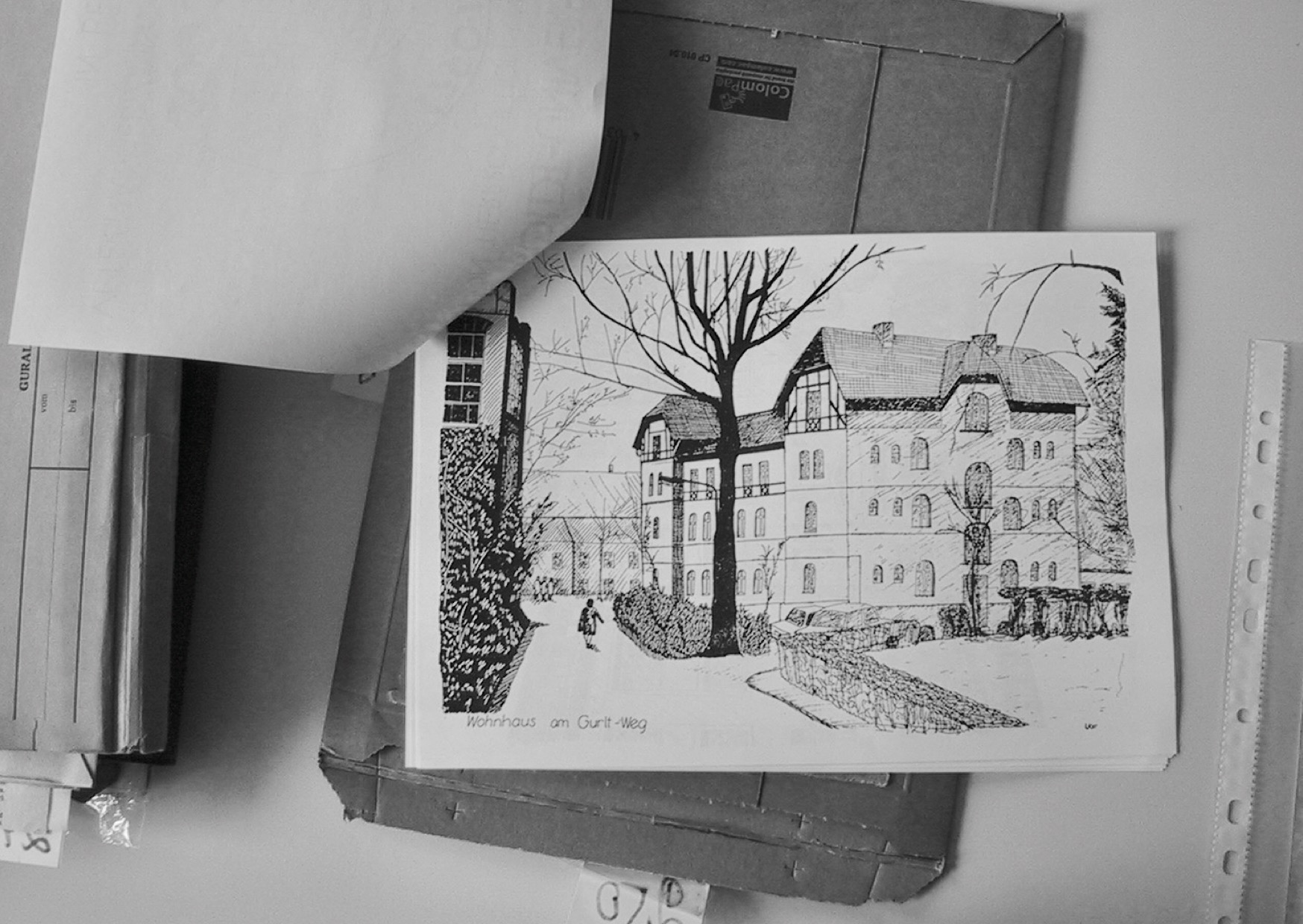
4. FU Archiv / Residential building on Gurtl Weg
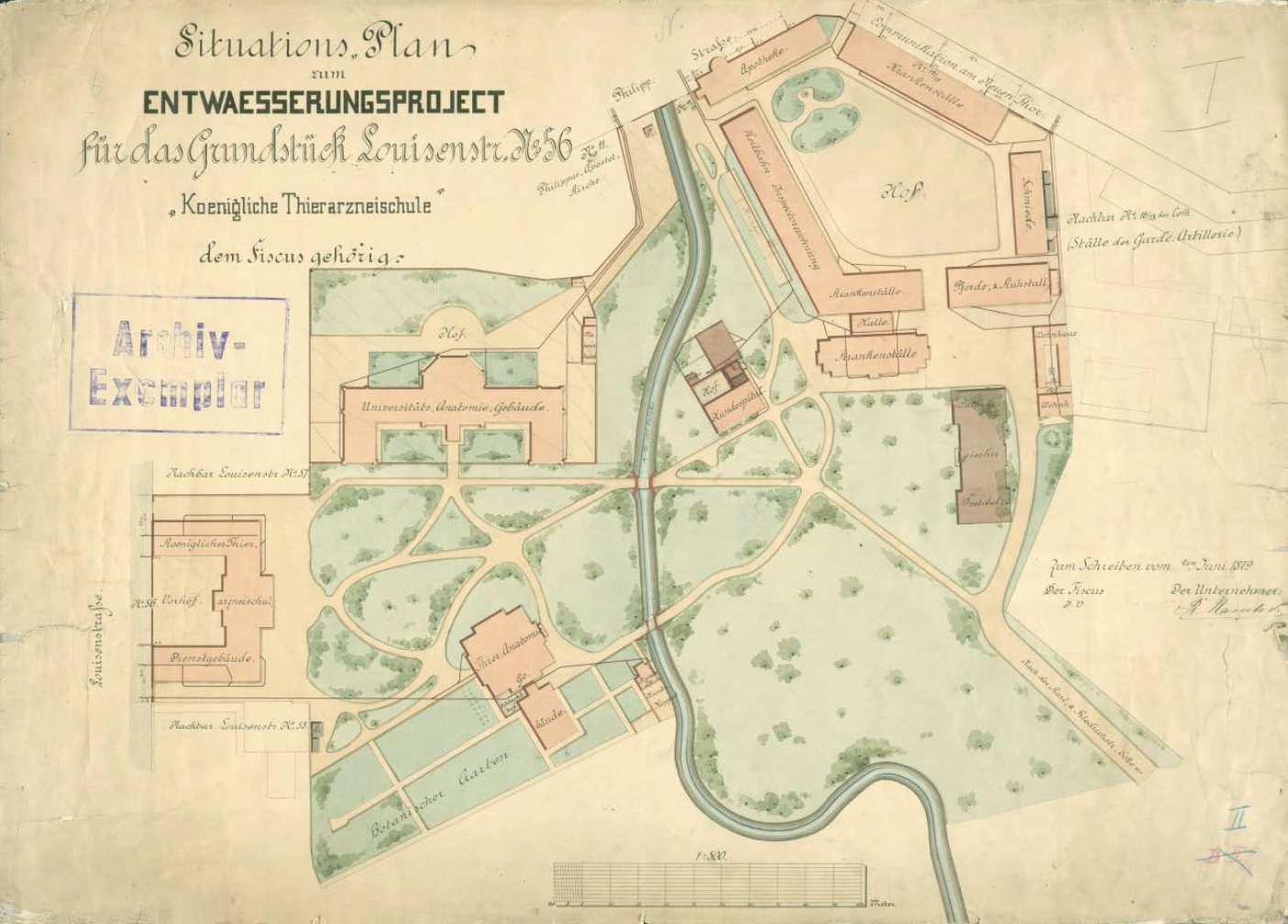
5. HU – TA Planarchiv / Royal Veterinary University of Berlin, 1895
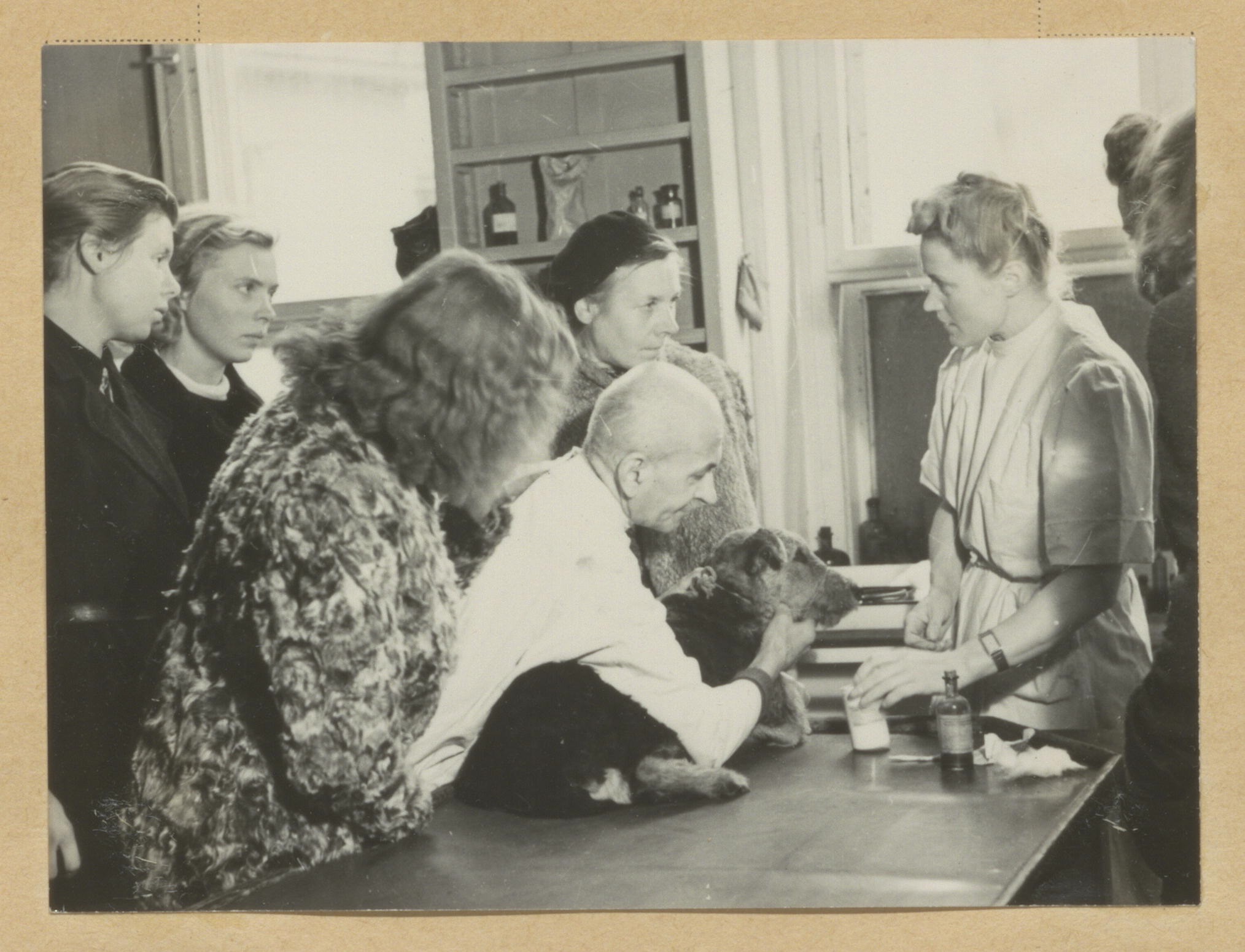
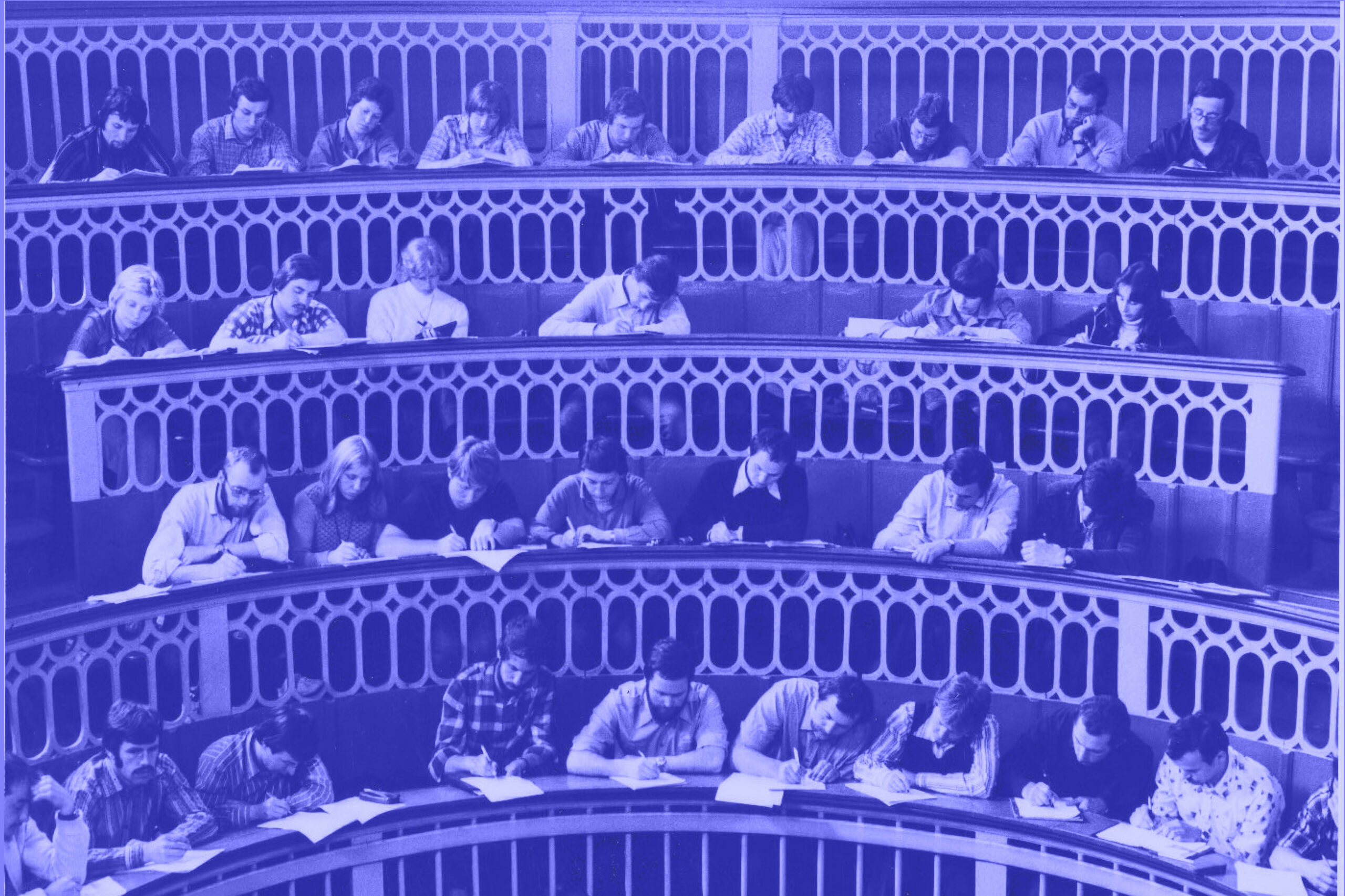
6. HU / Unknown, Students building a new Germany. Guest students at the HU Veterinary Polyclinic, 1947.
Why Your Voice Matters
The Listening Theater combines scientific research, artistic research, archival sources, and oral histories to explore the histories, memories, and knowledge cultures of Campus Nord.
Scientific research helps us understand broader historical, social, political, and ecological processes. Archives preserve documents, records, and traces that help reconstruct the past.
Artistic research creates space for attention, imagination, sensory experience, and new ways of asking questions.
Living memories add something equally important. They preserve experiences that were never formally documented, reveal how places were used and perceived in everyday life, and help us understand how larger historical transformations were experienced by the people who lived through them.
For this reason, the project is organised around different perspectives rather than different authors. Each form of knowledge contributes something that the others cannot. Between theory and practice, analysis and hope, these different perspectives create new pathways into the history and present of Campus Nord as a place of living knowledge.
As a project of the Tieranatomisches Theater supported by the Zentrum für Kulturtechnik, The Listening Theater explores how universities can open spaces for knowledge exchange while knowledge is being produced. By connecting academic research, heritage conservation, artistic inquiry, and public participation, the project strengthens the relationship between the university and the communities that shape, use, and remember this place.
Related participatory events
Credits
- Project Lead & Curator: Paz Ponce
- Sound design: Ilona Marti
- Project Management: Antonia Willisch
- Production: Fanny Welz
- Public Relations: Frederike Jaedicke-Nolte
- Project Intern: Dominique Barra (Humboldt Internship Program)
- Research collaborators:
Seminar “Sensory Ethnography” – IfEE, HU. Led by Magdalena Magdalena Buchczyk (Research Study 0: Campus Nord as Knowledge Partner)
Flavia Hennig (Research Study I: Music as Research)
Club Real (Research Study II: Interespecies Knowledge)
Anne Hölck (Research Study II: Interespecies Knowledge)
Siegmar Zacharias – Social Body Apothecary (Research Study II: Interespecies Knowledge)
Agnieszka Bulacik (Research Study III: Voice as Research)
Partners

Easy Read Version
Listening to other people is important.
We also need to learn how to listen to ourselves.
— bell hooks
What is this project?
The Listening Theater is a project about listening, memory, and place.
We are collecting stories, sounds, experiences, and knowledge connected to Campus Nord and the Tieranatomisches Theater.
Together with students, researchers, artists, neighbours, former employees, and visitors, we are creating an oral archive and a sound library.
The project includes:
- Public events
- Audioguides
- Audiowalks
- Interviews
The archive will be freely available in 2027.
The project is coordinated by curator Paz Ponce and developed by the Tieranatomisches Theater and the Zentrum für Kulturtechnik.
Our Big Research Question
We ask one important question:
How does a place stay in people’s memories?
To answer this, we must learn to listen. We ask these questions:
- What can this campus tell us about the past?
- Which stories do people remember?
- Which stories were silenced or forgotten?
- How has this place changed over time?
- What can we learn from sounds, objects, buildings, plants, animals, and personal memories?
We believe that history does not belong only to universities, archives, or books. History also lives in people, relationships, everyday experiences, and the memories we share with one another.
How you can join the project
You can help us build the audioguide in different ways:
Share Your Memory
Do you have a connection to Campus Nord?
Perhaps you studied here.
Perhaps you worked here.
Perhaps you visited, lived nearby, or remember a particular event.
We would be glad to hear from you.
You can share:
- Memories
- Experiences
- Observations
- Questions
- Photographs
- Documents
- Audio recordings
Every contribution helps us understand this place from different perspectives
Visit the Room 102 inside Tieranatomisches Theater
Room 102 is a space for listening, conversation, and memory sharing.
You can come to talk, browse project materials, or contribute to the Oral Archive.
You can bring photographs, documents, objects, recordings, or simply a memory.
You can also come with a friend, colleague, neighbour, family member, or former classmate.
Sometimes people remember more when they remember together.
Curator Paz Ponce is available every Wednesday from 2 pm to 6 pm for conversations, memory sharing, and interviews.
Additional appointments can be arranged by email.
Room 102 is open during the regular opening hours of the Tieranatomisches Theater:
Tuesday–Saturday, 2 pm–6 pm
Share a Memory Online
Campus Nord has been a place of learning for many generations.
Now we would like to learn from the people who know this place.
Our memory guide offers simple questions that can help you remember people, places, events, and everyday experiences connected to Campus Nord.
Send a Postcard
We have free postcards and stamps. You can find them at the reception desk and in Room 102.
The postcards show old photos from the university archives. They show how the campus used to look.
You do not send these postcards back to us.
You write a message on the postcard and mail it to a friend, a family member, or an old classmate who also knows this place.
This helps start a conversation and continues a chain of memories between people.
Your memories are important
Research, archives, artworks, and personal memories each tell a different part of the story of a place.
Archives preserve documents and records.
Research helps us understand historical events, social change, and the environment.
Art creates new ways of seeing, listening, and asking questions.
Memories help us understand how people experienced this place in everyday life.
Some experiences were never written down or recorded. Memories help keep them alive.
Each perspective adds something valuable.
Together, they help us build a richer understanding of Campus Nord and its many transformations.
The Listening Theater creates a space where research, heritage, art, and public participation can meet.
By listening to many different experiences, we can learn more about this place and the communities connected to it.